September 8, 2025 · Updated November 5, 2026 · 5 min read · Casper
Isolation and the Great Outdoors in Wyoming: Blessing or Burden?
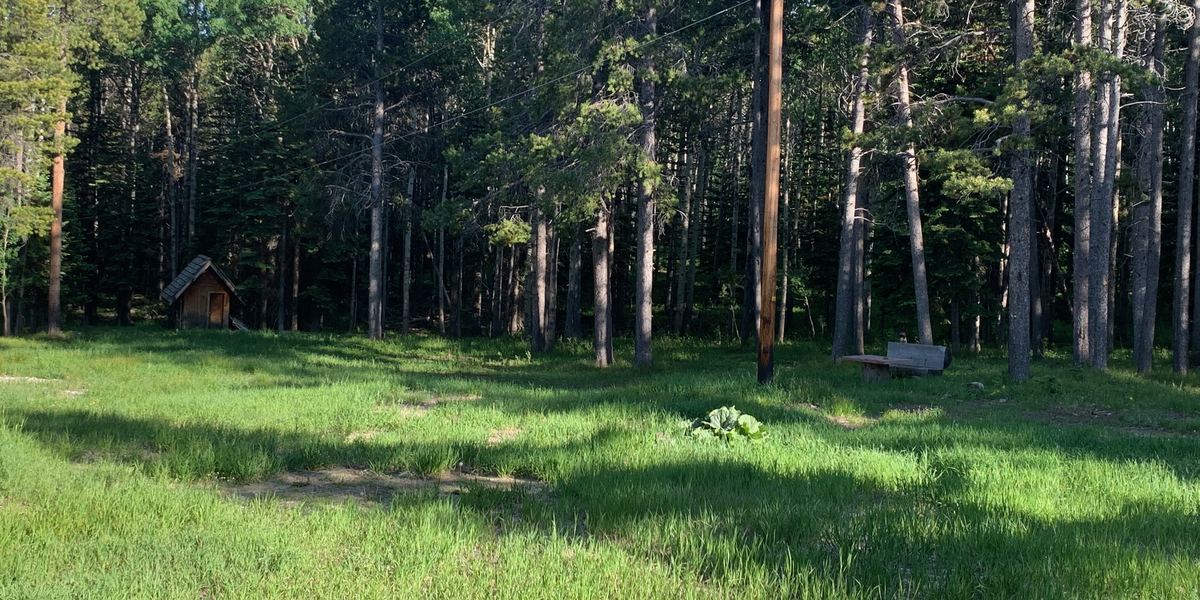
The short answer
It's both. Wyoming is the least populous state in the country, with fewer than 600,000 people spread across nearly 98,000 square miles. That gives you room, quiet, and public land close to home. It also means long drives for big shopping, specialized medical care, and major events. Whether it feels like freedom or like distance depends on how well you plan for it.
We're the Alisha Collins Real Estate Team, and we help people relocate all across this state. Here's the honest version of both sides.
What the space actually looks like
According to the State of Wyoming, the state covers 97,914 square miles across 23 counties. The Census Bureau puts the population at fewer than 600,000. For comparison, plenty of single cities in other states have more people than all of Wyoming.
Casper is the second-largest city, and Cheyenne is the largest. Between the towns, it's open country. You can drive a long way between gas stations on some highways, so you learn to fill up before you need to.
The blessings: room, quiet, and access
Start with the upside, because there's a lot of it. There's no commuting here the way big-city folks mean it. You just drive across town. Errands take minutes, not an afternoon.
Then there's the land. The Bureau of Land Management manages about 18 million acres of public land in Wyoming, and that's before you count national forests, state land, and the national parks. Near Casper, Casper Mountain is just minutes from downtown, and the North Platte River runs right through town.
Space shows up in housing too. Around Casper you can find homes on acreage, homes with shops and barns, and homes that back up to open ground. I live rural myself, on a dirt road the county doesn't maintain, in the first home I've owned with a well. I wouldn't trade the quiet.
If acreage is on your list, read buying in town vs acreage near Casper.
Community, even with the distance
Physical distance doesn't mean nobody shows up. When your car slides off the road in a storm, people stop. They are not going to leave you on the side of the road.
County fairs, rodeos, and local events bring people together. Casper hosts the College National Finals Rodeo every June. Volunteering, joining a club, or showing up at the same coffee shop every week is how most newcomers find their people. The ones who settle in fastest are usually the ones who listen a lot when they first get here.
The burdens to plan for
Here's the other side, and you should hear it before you move.
- Big shopping takes planning. Casper has a lot of everyday shopping, but some specialty stores mean a long drive. In small towns and rural areas, a big grocery run becomes a planned trip.
- Specialized medical care can mean travel. Casper has a regional hospital, but some specialists are a drive away. If you or someone in your household needs ongoing specialized care, ask your providers how that would work before you buy.
- Winter roads close. WYDOT posts closures and advisories on wyoroad.info. Some days, the drive just doesn't happen.
- Internet varies by address. In town it's usually straightforward. On rural property, confirm what service actually reaches the house before you write an offer.
- Wind. It's part of life here. You plan around it.
How to test it before you commit
- Visit in summer and winter. The summer is why everybody lives here. Winter tells you if you can stay.
- Drive your real routes. Time the drive from a house you like to the grocery store, your work, and the hospital.
- Look in more than one town. Casper, Mills, Evansville, Bar Nunn, Glenrock, and Douglas each feel different. Budget decides the town more than anything.
- Start a year or two out if you can. The people who plan early make the calmest moves.
- Rural land? Check four things. Power, year-round access, legal access, and water.
Setting up a home for the distance
A lot of living with isolation is just setting up the house right. On rural property, find out how the home gets water and handles waste. A well and septic each need their own inspection, and septic is really two: the system itself and a camera on the line.
Ask what heats the home and what it runs on. Propane, natural gas, electric, and wood or pellet stoves all show up out here. I heat my country house with a pellet stove, and I'd pick that over an open fireplace every time.
Find out who plows the road. Some county roads get maintained, and some don't. A long driveway may be yours to clear, so budget for a blower or a plow service.
The money side, honestly
Wyoming has no personal state income tax, which helps your budget. Heating, vehicle wear, and fuel for longer drives can eat into that, so put them in your numbers. Property taxes are set by each county. And because Wyoming is a non-disclosure state, home sale prices aren't public. An agent with MLS access can pull the real numbers. Our post on the cost of living in Casper helps you build your own budget. This is general information, not legal, tax, or lending advice.
So, blessing or burden?
Wyoming isn't for everyone, and that's okay. The space that gives you freedom also asks you to plan more. If you go in with clear eyes, a winter kit in the car, and a realistic budget, the quiet tends to become the best part.
If you're still deciding, read why we stay despite the wind and cold, and see our Casper area page and rural property page.
Common questions
Is Wyoming the least populated state?
Yes. Wyoming is the least populous U.S. state, with fewer than 600,000 people.
How much public land is in Wyoming?
The Bureau of Land Management alone manages about 18 million acres of public land in Wyoming, not counting national forests, state land, or national parks.
Is it hard to get specialized medical care in Casper?
Casper has a regional hospital, but some specialists can mean travel. Ask your providers how ongoing care would work before you move.
How do I know if rural Wyoming is right for me?
Visit in summer and winter, drive your real routes, and look in more than one town before you decide.
Find your spot
Whether you want a dirt road and a view or a quick drive to everything in town, get in touch with our team and we'll help you find the right fit.
Common questions
Is isolation a problem in Wyoming?
The article says it is both a blessing and a burden. Low density means no real traffic and lots of space, but remoteness means long drives to major stores and planning for specialized care.
How much public land does Wyoming have?
The article says Wyoming has over 28 million acres of public land.
What should I do before committing to a Wyoming move?
The article advises visiting in winter to test your cold and wind tolerance, budgeting for driving and vehicle upkeep, and building a network early through local events.